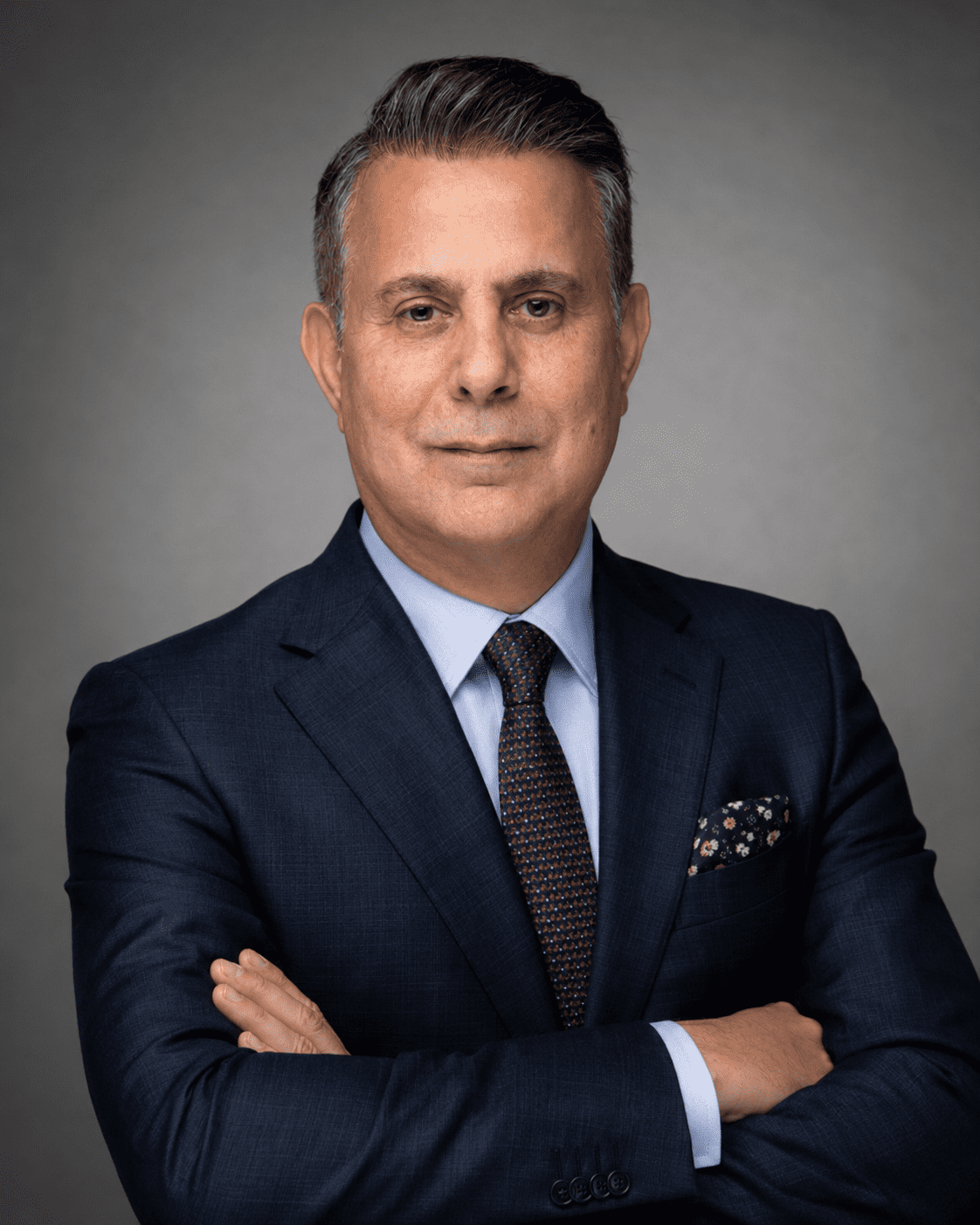
Dr. Mounir Khalifa Founder and Chairman of IASO | Aviation Services Supply Chain Expert
Dr. Munir Khalifa is regarded as one of the most prominent and influential figures and experts in the aviation services sector worldwide. With a professional career spanning more than 25 years in leading supply chains, fuel supply, and airport ground services, he led the vision behind establishing the International Aviation Services Organization (IASO) as a global professional umbrella that brings service providers together under one independent regulatory voice.
Through establishing the organization in Geneva, Switzerland, as a non-profit institution, he was able to reinforce the principles of neutrality and credibility, while developing field performance evaluation programs and forming strong alliances with major public and private entities to help ensure the efficiency and safety of millions of passengers every day.
The Official Historical Record of the Aviation Journey
Explore, through a formal reporting style, the organizational and regulatory impact of Dr. Mounir Khalifa from the beginning of his career to the establishment and development of the global organization.
Advisor of Public Interest and Restructuring of Major Operations
Dr. Mounir Khalifa began his journey in developing operational systems and restructuring major operations, with a focus on improving efficiency and enhancing institutional performance in aviation and support service environments.
Global Safety Initiatives and Airport Business Models
He led professional efforts related to the development of safety and operational quality concepts, in addition to introducing flexible business models that serve airports and sector stakeholders.
Establishment of the International Aviation Services Organization
The accumulated expertise culminated in the launch of a specialized international entity serving the aviation sector, providing an independent reference platform for institutional and technical development and the building of international partnerships.
Diplomatic Recognition and Sovereignty Agreements with ICAO and IATA
He led the organization toward expanding its international presence through distinguished relations and agreements with international aviation institutions and bodies, reflecting the level of trust and professional recognition of its role.
The Organization’s Core Professional Values
The Four Pillars of Dr. Munir's Management Philosophy
Operational principles established by Dr. Munir to guide the organization’s direction and decisions in engaging with aviation communities and authorities worldwide.
Excellence
Collaboration
Integrity and Neutrality
Innovation and Sustainability
Executive Blueprint for the Strategic Pillars 2025 - 2030
An institutional roadmap presenting the organization’s future development paths in digital transformation, sustainability, and international expansion.
Digital Transformation and Field Automation
The adoption of smart systems forms the core of Dr. Mounir Khalifa’s vision for the future of airport operations management and field verification, as this pillar aims to move procedures from paper-based repositories and error-prone human assessment to a unified and fully automated operational platform.
Objectives and Field Outcomes of the Blueprint
Building a digital administrative system based on artificial intelligence and big data technologies to measure the efficiency of airport apron operations and proactively prevent delays.
Launching a pre-control and verification system for aircraft fueling operations to reduce field errors and improve the quality of operational decision-making.
Strengthening cybersecurity protocols and connecting ground systems and shared airports to a secure central database in Geneva.
Target reduction in field errors
To connect data, operations, and follow-up
Improving process speed and passenger boarding
Sustainable Aviation Fuel and Climate Neutrality Initiative
Protecting the planet and the climate surrounding airports is no longer a luxury; it has become a sovereign requirement for continuity. Dr. Mounir Khalifa leads this path through an organized sustainable fuel initiative and strategic partnerships with energy entities to accelerate real transformation.
Objectives and Field Outcomes of the Blueprint
Developing strict protocols to reduce carbon emissions resulting from fueling operations and establishing standards capable of preventing harmful ground leaks and reducing pollution.
Activating strategic partnerships with major producers and energy providers to provide safe infrastructure for sustainable aviation fuel in selected airports around the world.
Launching a gradual global initiative aimed at achieving carbon neutrality in airport services and ground handling through clear implementation phases.
Analyzing emissions and sources of operational waste.
Establishing procedures to reduce carbon emissions and ground pollution.
Testing the model in selected airports, then expanding it.
Sovereignty, Geographic Expansion, and Representation of Developing Markets
The regional strategy developed by Dr. Mounir Khalifa seeks to break the monopoly of international standards and make them fair and accessible to all developing and emerging markets, strengthening the organization’s presence across various air routes and giving it a broader institutional dimension.
Objectives and Field Outcomes of the Blueprint
Opening high-quality representative offices and branches in Asia and Africa to provide services, support, and technical review directly to aviation authorities in those countries.
Expanding the regional membership network to include more than 100 countries from all continents and facilitating the exchange and transfer of technology and knowledge between offices in Geneva, Toronto, and California.
Organizing the first global conference on the future of aviation and airport services to bring major entities together under one umbrella to study operational and safety requirements.
Direct representation and technical cooperation.
Supporting developing markets and operational review.
Exchange of standards and institutional expertise.
Training channels and international cooperation.
